Revolutionize Your Hydration: The Ultimate Guide to Integrated Filters in TPU Soft Flasks
Your Trail Hydration, Reimagined: Why Filtered TPU Soft Flasks Are a Game-Changer
Imagine this: you're deep into a stunning trail run or hike, the sun is warm, and you're miles from the nearest tap. You cross a crystal-clear stream, but your water flasks are nearly empty. In the past, this meant either turning back, carrying excessive weight in water from the start, or taking a risky sip. Today, there's a revolutionary solution that fits in the palm of your hand: the TPU soft flask with an integrated filtration system. This simple yet brilliant piece of gear is transforming how we hydrate in the great outdoors, offering unparalleled freedom and safety.
What Exactly is a Filtered Soft Flask?
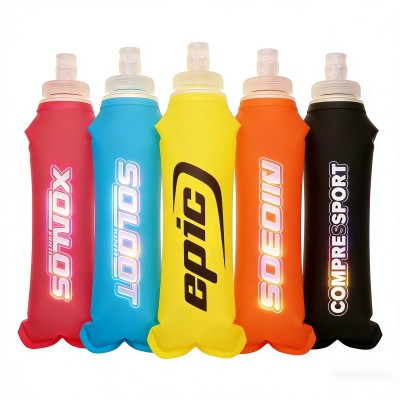
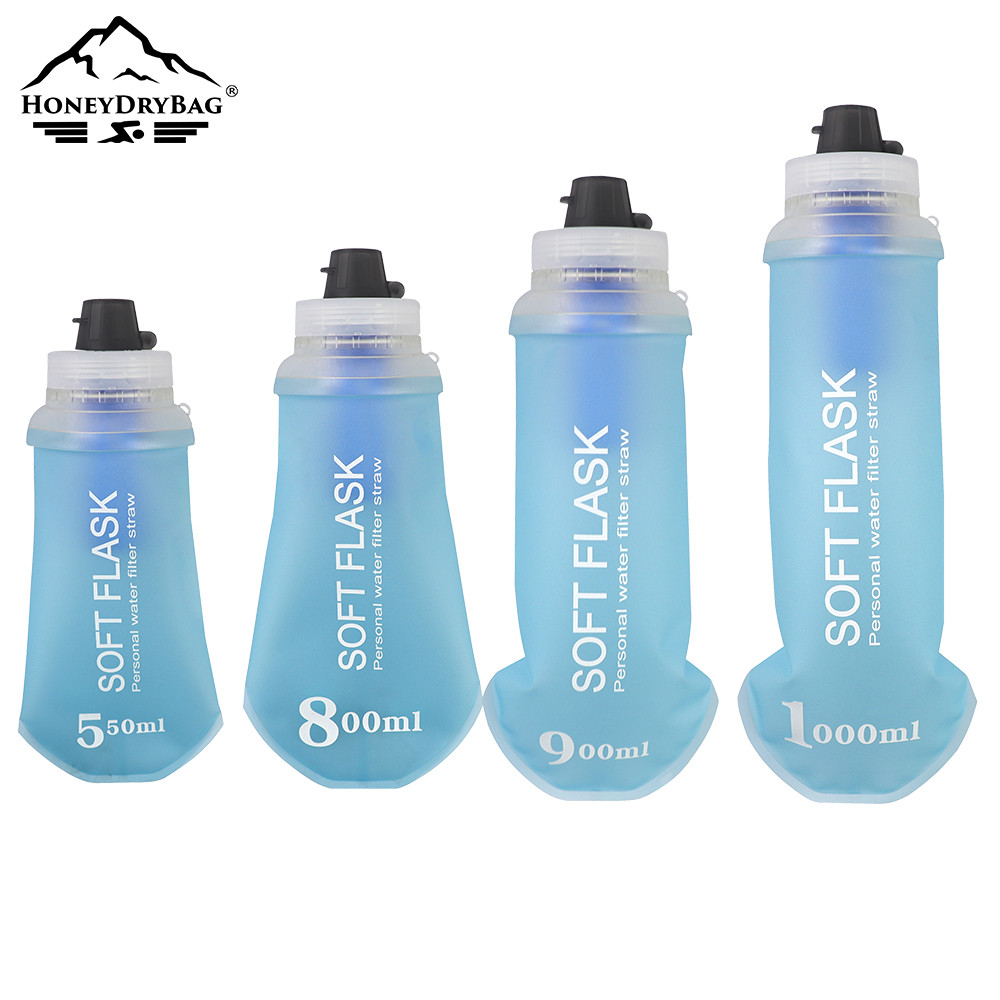
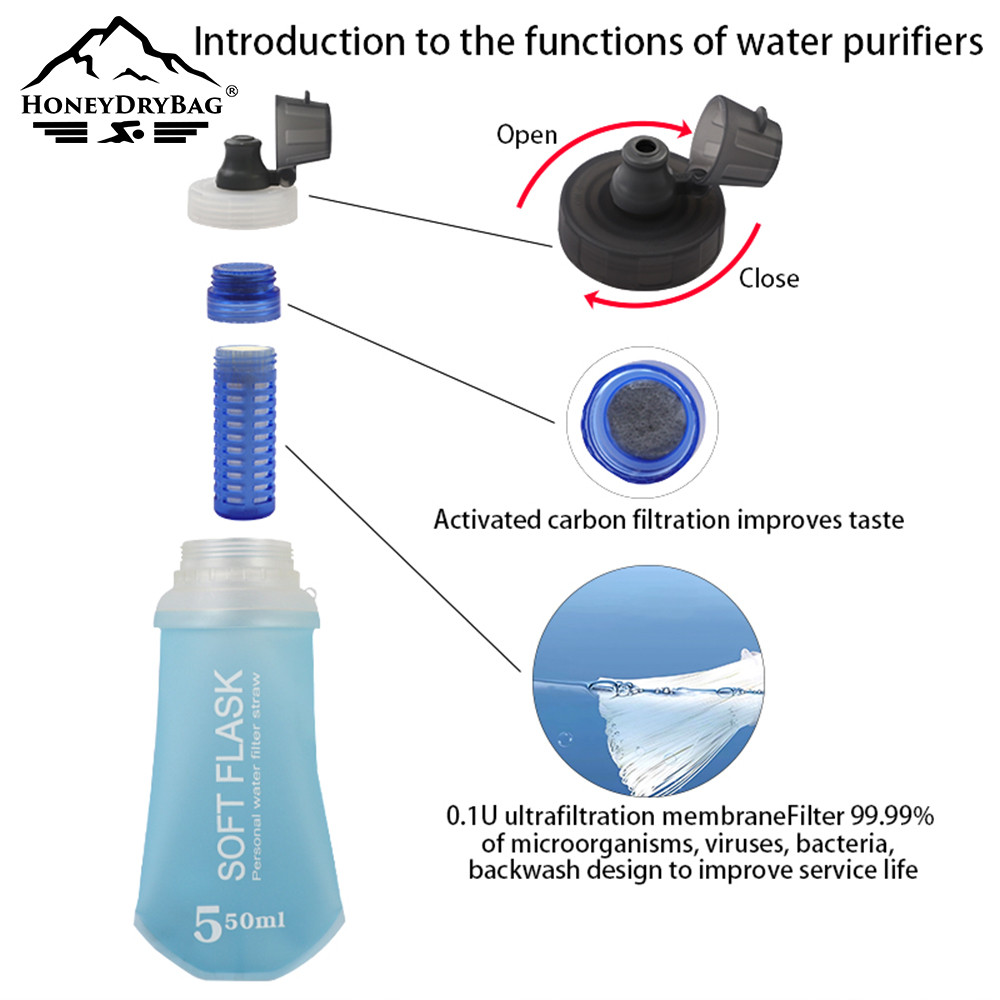
A filtered soft flask combines two essential pieces of outdoor gear into one streamlined package. It takes a flexible, collapsible soft water bottle, typically made from durable TPU (Thermoplastic Polyurethane), and integrates a high-performance water filter directly into the cap or lid system. This allows you to scoop water from a natural source like a lake or river, screw on the lid, and drink safe, clean water immediately, on the move. The filter removes harmful pathogens as you drink, eliminating the need for separate pumps, chemical tablets, or lengthy waiting times.
The End of the Heavy Hydration Pack Era
The age-old dilemma for any endurance athlete or hiker is the water-weight paradox. Water is heavy—a liter weighs a full kilogram (2.2 lbs). Carrying enough for a long day can be a significant burden, slowing you down and increasing fatigue. Filtered soft flasks shatter this limitation. By empowering you to safely utilize water sources along your route, you can start with less and refill as you go. This means a lighter pack, more agility on the trail, and the ability to extend your adventures further than ever before.
How Do These Compact Filters Actually Work?
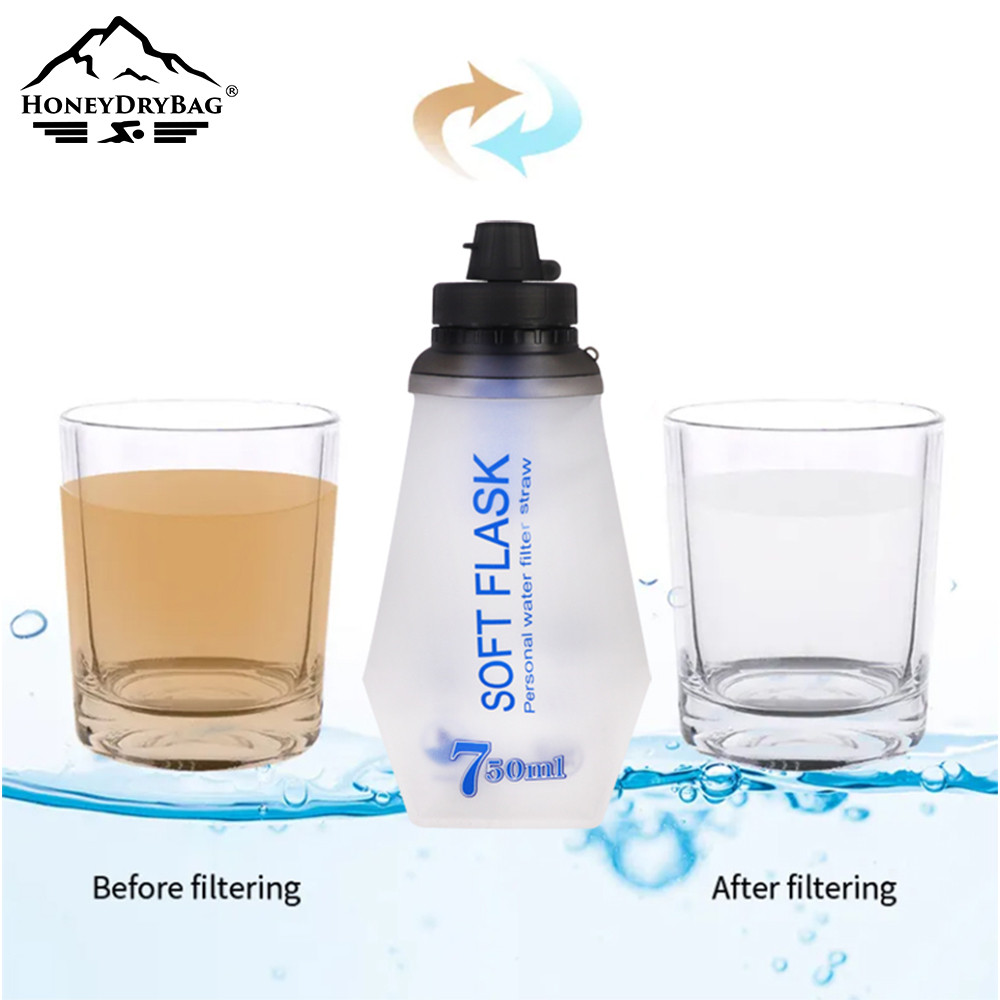
The magic lies in advanced micro-filtration technology, most commonly using hollow fiber membranes. Imagine a dense cluster of microscopic straws, each perforated with pores so tiny they are measured in microns (typically 0.1 to 0.2 microns). Water can pass through these pores, but they are small enough to physically block larger, harmful microorganisms. As you squeeze the flask or suck on the nozzle, water is forced through these hollow fibers, and contaminants are trapped on the outside, delivering clean, drinkable water to you. It's a simple, effective, and chemical-free process happening in real-time.
Key Benefits for Trail Runners and Hikers
The advantages of adopting a filtered soft flask system are numerous and imediately noticeable:
- Massive Weight and Space Savings: Carry less water and free up pack space. This is the number one benefit for ultralight backpackers and competitive trail runners.
- Unmatched Convenience: Refill in seconds and drink on the move. There's no need to stop and assemble a complex filter pump.
- Enhanced Safety and Confidence: Drink confidently from natural water sources, knowing you are protected from common waterborne threats.
- Improved Hydration: The ease of refilling encourages you to drink more frequently, which is crucial for performance and preventing dehydration.
The Core Component: Why TPU Makes the Best Soft Flask
The 'bottle' part of the equation is just as important as the filter. Most high-quality soft flasks are made from TPU (Thermoplastic Polyurethane). This material is chosen for several key reasons:
- Durability: TPU is incredibly tough and abrasion-resistant, essential for gear that will be stuffed in pockets and exposed to the elements.
- Flexibility: It's soft and pliable, allowing the flask to collapse as you drink. This prevents water from sloshing around—a major annoyance for runners—and makes the empty flask easy to roll up and store.
- Safety and Taste: TPU is BPA and PVC-free, ensuring no harmful chemicals leach into your water. It's also known for being more taste-neutral than other plastics, though a quick rinse before first use is always recommended.
Buyer's Guide: Critical Features to Look For
When choosing a filtered soft flask, consider these key performance aspects:
- Filter Efficacy: Ensure the filter removes at least 99.99% of bacteria (like E. coli) and protozoa (like Giardia and Cryptosporidium). This is the standard for most backcountry filters.
- Flow Rate: How easily can you get water through the filter? A high flow rate means less effort to drink, which is crucial when you're out of breath. Newer models have significantly improved on this front.
- Flask Volume and Shape: Most flasks come in around 500ml, a perfect size for running vest pockets. Some are taller and narrower, while others are shorter and wider. Choose a shape that best fits your specific pack or vest pockets.
- Durability and Lifespan: Check the filter's rated lifespan (e.g., 1,500 liters) and the flask's build quality. Robust seams and a durable filter housing are important.
- Ease of Cleaning: The filter will eventually clog with use. Look for models that can be easily cleaned in the field, often by swishing or backflushing, to restore flow rate.
Filter Technology Shootout: A Quick Comparison
While many brands use similar core technology, their designs offer different advantages. Here’s a look at what sets them apart.
| Feature | Technology A (e.g., Katadyn BeFree) | Technology B (e.g., Salomon XA/HydraPak) | |
|---|---|---|---|
| Mouthpiece | Often a flip-top nozzle | Typically a bite-valve | |
| Best For | Versatility, good for hiking and filling other bottles | Speed and convenience, ideal for runners | |
| Pros | High flow rate, proven design, versatile cap | One-handed drinking, less spillage while moving | |
| Cons | Can be prone to leaks with wear | Taller form factor may not fit all vest pockets |
Understanding Limitations: What They DON'T Remove
This is a crucial point for safety and trustworthiness. Standard hollow fiber filters with a 0.1-0.2 micron pore size are excellent against bacteria and protozoa, but they are not effective against viruses, which are much smaller. For trips in areas with known viral contamination risks (often in less-developed regions or areas with high human water impact), you would need to supplement with a chemical purifier (like tablets) or a UV purification system.
Care and Maintenance: Maximizing Your Filter's Life
To keep your filtered flask working effectively, follow a few simple rules. First, always try to collect the clearest water possible to minimize sediment intake. Regularly clean your filter according to the manufacturer's instructions—this usually involves swishing it vigorously in clean water or using a backflush adapter. After a trip, allow the filter and flask to air dry completely to prevent mold growth. Lastly, protect your filter from freezing, as ice expansion can damage the delicate hollow fibers and render it useless.
The Future of On-the-Go Hydration
Integrated filtration systems are more than a trend; they represent a fundamental shift in how we approach outdoor hydration. As materials become more durable, filter flow rates increase, and designs get even more ergonomic, these devices will become standard issue for anyone who loves to move quickly and lightly in the wild. By combining the convenience of a TPU soft flask with the security of a water filter, you can unlock a new level of freedom and Push your boundaries further than ever before.