Guide to Choosing Waterproof Outdoor Travel Backpacks | Recommended Waterproof Backpacks [Practical Guide for 2025]
Waterproof Outdoor Travel Backpacks: How to Choose the One That’s Right for You?
When embarking on a spontaneous trip, there’s nothing worse than being caught in a sudden downpour.
Your mobile phone, camera, spare clothes… all your valuables rely on a single companion – your outdoor waterproof travel rucksack.
But with such a wide variety of ‘waterproof’ rucksacks on the market, are they all truly waterproof?
This article breaks down the key selection criteria, usage tips and maintenance methods to help you choose the right rucksack first time, so you can face the elements with confidence.
Why Do You Need a Truly Waterproof Travel Rucksack?
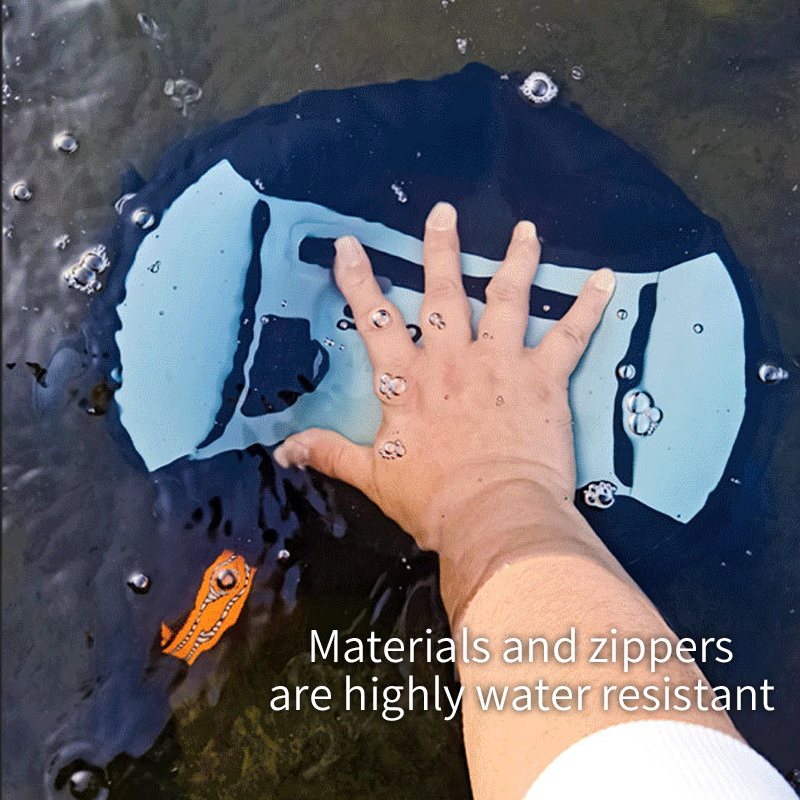
Many people confuse ‘splash-proof’ with ‘waterproof’. Ordinary rucksacks can only withstand light rain, whereas outdoor waterproof travel rucksacks typically feature waterproof fabrics, sealed zips and roll-top closures, allowing them to withstand brief submersion without letting water in.
Real-life outdoor challenges:
· A sudden downpour whilst hiking in the mountains, resulting in water damage to electronic devices
· Splashing water from boats or waterfalls soaking your clothes
· A rucksack falling into the sea at the beach, destroying important documents
A truly waterproof rucksack not only protects your belongings but also allows you to focus more fully and feel more at ease during outdoor activities.
When making your selection, focus on the following 5 key factors:
How to Choose a Good Value-for-Money Waterproof Outdoor Travel Rucksack?
1. Waterproof Rating and Materials
• PVC/TPU coating: Fully waterproof but on the heavy side
• Waterproof nylon + waterproof zips: Lightweight, suitable for everyday hiking
• IPX protection rating: IPX6 or higher can withstand heavy rain; IPX7 can withstand brief submersion
2. Capacity and usage scenarios
Capacity Capacityr
10–20L Day hikes, city commuting20–40L 2–3-day short trips40L+ Multi-day backpacking, long-distance travel
3. Comfort of the carrying system
• Does it feature a breathable back panel?
• Do the shoulder straps and waist belt have padded foam?• Is the chest strap adjustable?
4. Pockets and access design
• Separate compartments for dry and wet items (for wet towels or umbrellas)• Side water bottle pockets• Top quick-access pocket
5. Durability and Details
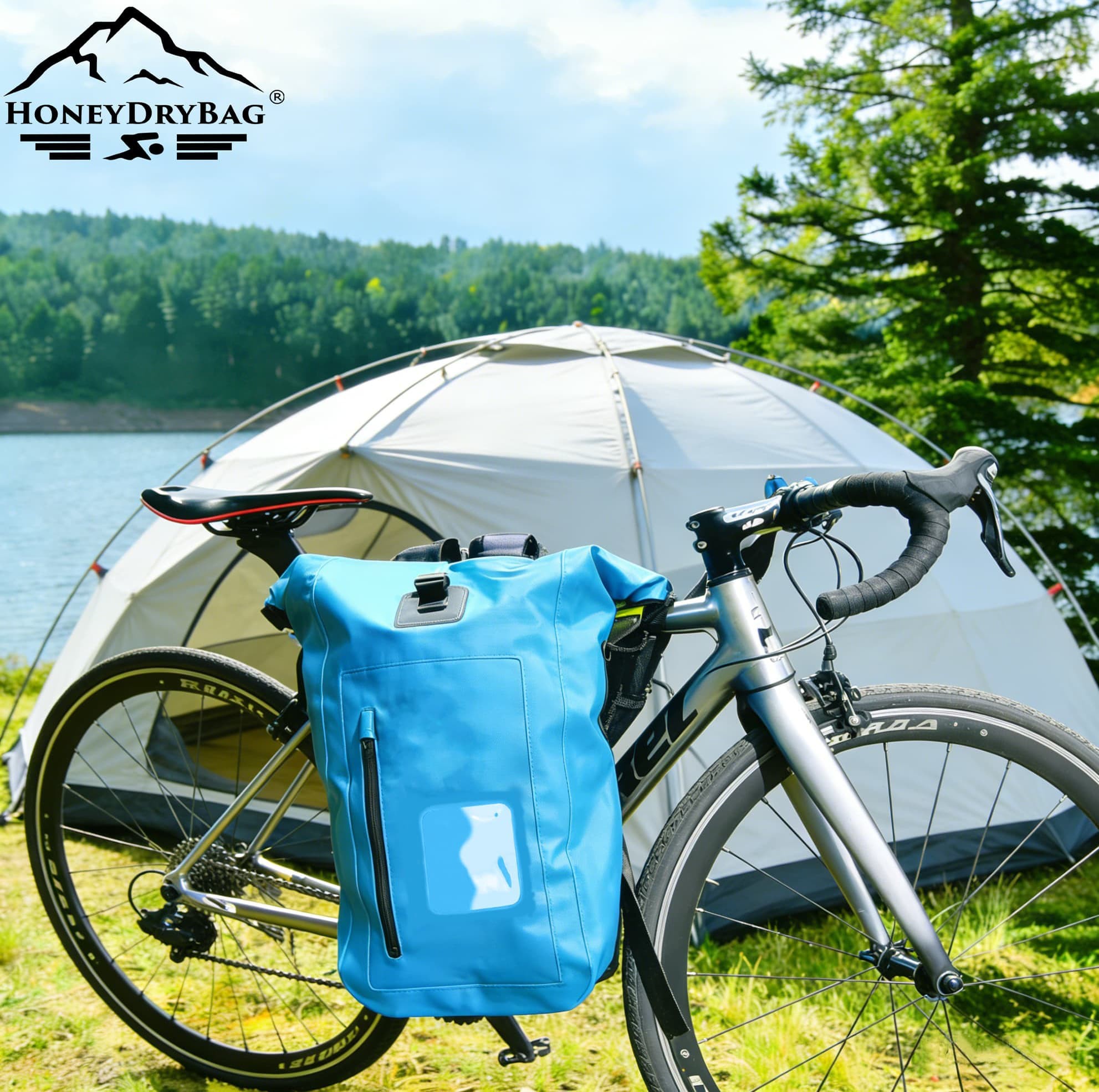
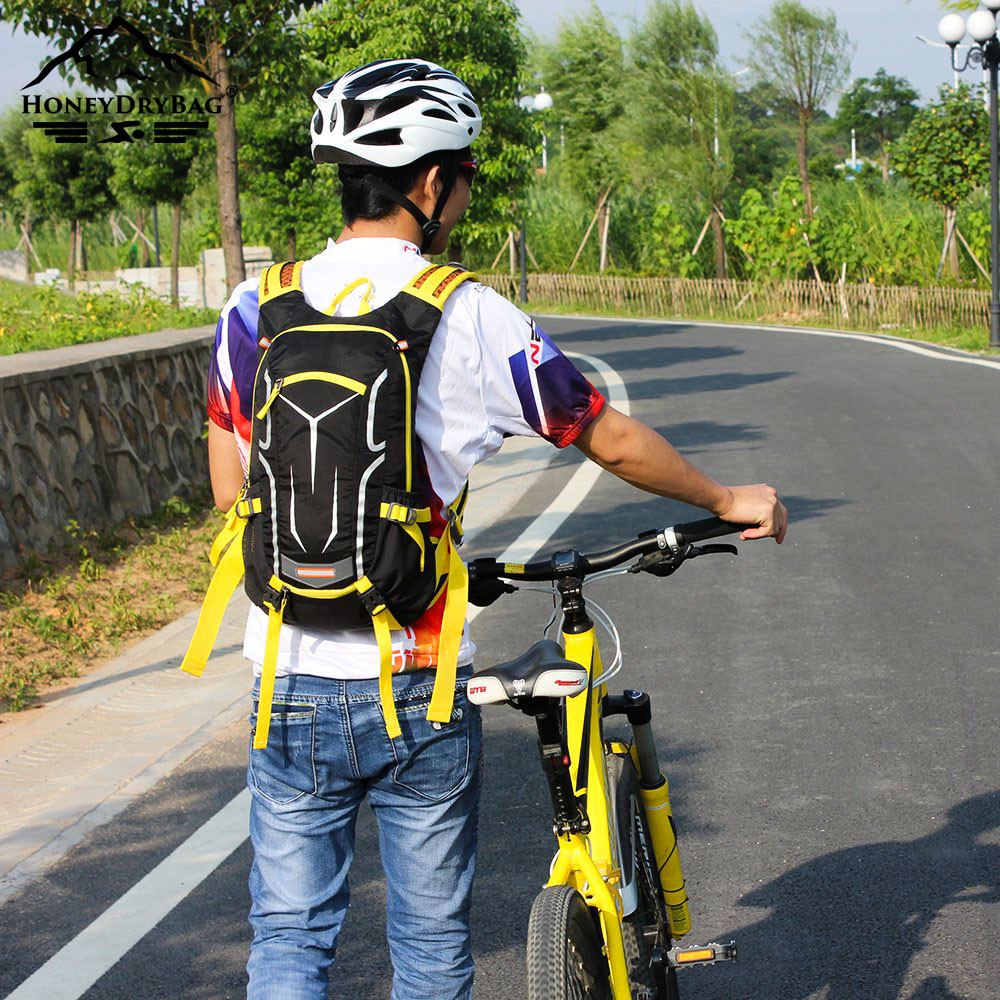
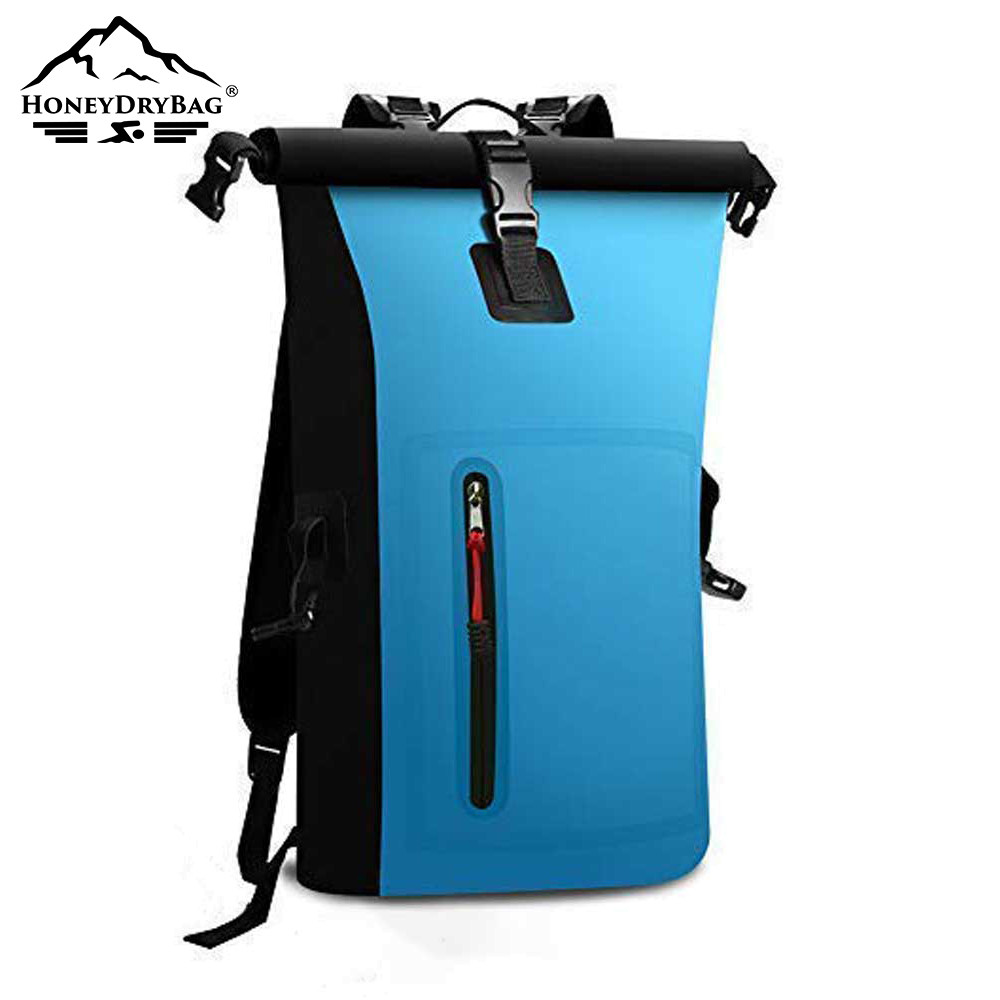
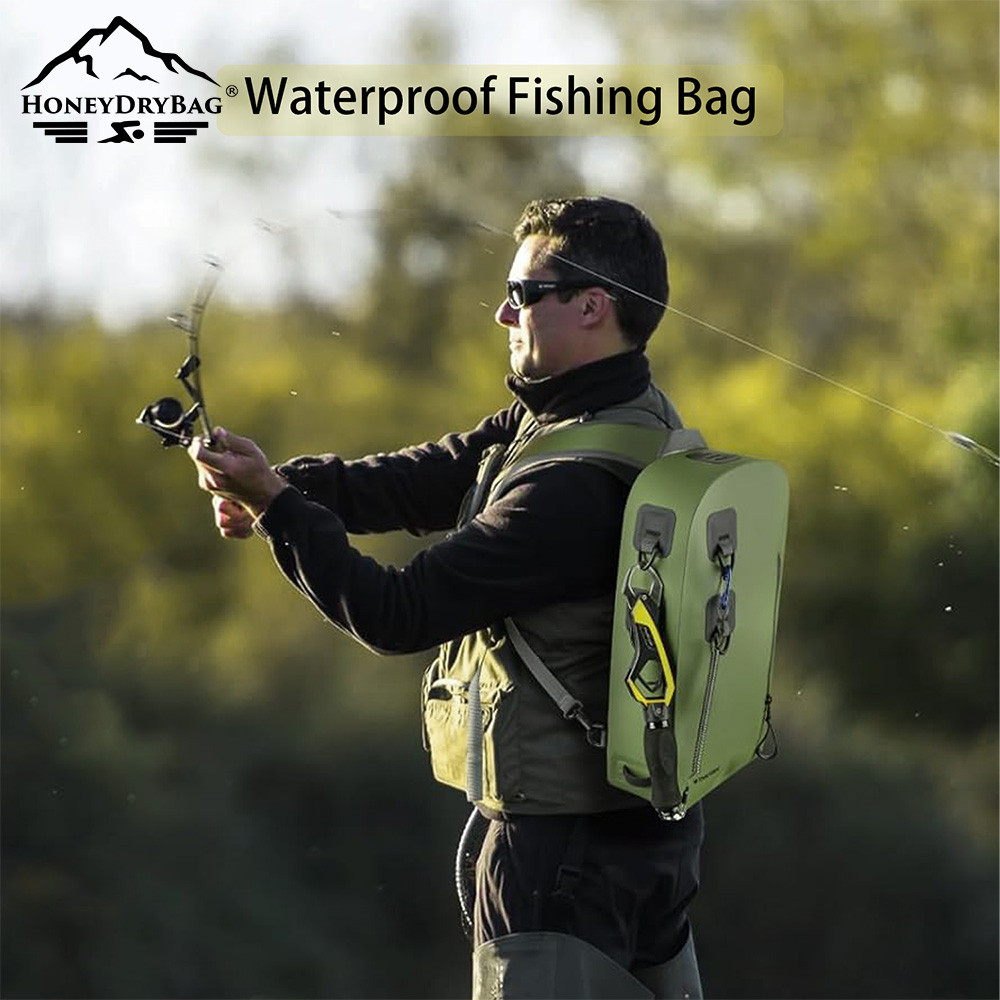
• Are the seams heat-sealed?• Are the fasteners from YKK or Duraflex?• Is the base reinforced for durability?If you’d like to view the products directly, we’ve selected a few of Little Bee’s best-selling waterproof outdoor travel rucksacks for you. Click on the images below to view the details.
Capacity Capacityr
3. Comfort of the carrying system
• Do the shoulder straps and waist belt have padded foam?
4. Pockets and access design
5. Durability and Details
Tips for Using and Maintaining Outdoor Waterproof Rucksacks
Even the best rucksack will wear out prematurely if used incorrectly.
✅4 Key Points for Correct Use
• Do not overpack: Leave 2–3 folds of space at the roll-top opening to ensure full waterproofing
• Place heavy items close to your back: This keeps the centre of gravity stable and prevents the bag from sagging at the back
• Avoid direct contact between sharp objects and the inner lining: Use a protective inner bag
• Wipe sealing areas dry promptly in wet weather: This prevents mud and sand from compromising the seal
🧼 Cleaning and Storage
1.Hand wash using a soft brush and neutral detergent; do not machine wash
2.Hang upside down to dry in a cool, shaded area; do not expose to direct sunlight
3.Keep dry during long-term storage; avoid folding or crushing the waterproof membrane
Further reading: If you’d like to learn how to pack your outdoor rucksack more space-efficiently, read our previous article (internal link: Rucksack Packing Guide).
Frequently Asked Questions (FAQ)
Q1: Can a waterproof rucksack be used as a life-saving flotation device?
No. Although it may provide buoyancy when sealed, it is not professional life-saving equipment; do not take any risks.
Q2: What is the typical lifespan of a waterproof rucksack?
Under normal use, 2–5 years. The waterproof coating will deteriorate over time and with friction; you can extend its lifespan by periodically applying a waterproofing spray.
Q3: What is the difference between fully waterproof and water-repellent?
Water-repellent (DWR coating) only withstands light rain; fully waterproof (such as dry backpacks) can withstand brief submersion. For outdoor use, we recommend the latter.
A high-quality, waterproof outdoor travel rucksack is one of the best investments you can make for your outdoor adventures.
Choose the Right Rucksack, Come Rain or Shine
A high-quality, waterproof outdoor travel rucksack is one of the best investments you can make for your outdoor adventures.
Remember: check the waterproof rating first, then consider capacity and fit, and finally, take care of it.
If you’re looking for a waterproof rucksack that offers both value for money and durability, do browse the ‘Outdoor Gear Section’ on the Little Bee independent site, where we’ve curated a selection of high-quality, field-tested models for you.